Counselling for men in Brentwood & Shenfield
Things can be manageable for a long time. You get on with work, relationships, family and everything else that needs doing. Then something changes.
Your relationship may have become increasingly distant. Work may be taking more from you than it used to. You might be becoming more irritable at home, finding yourself withdrawing from people, or wondering why you cannot switch off. You may have lost a job, reached a point in your career where you are questioning what you want, or achieved much of what you worked for and feel surprisingly little about it.
Or there may be no obvious crisis. You simply know that the way you have been dealing with things is no longer working well enough.
I offer face-to-face counselling for men from my practice in Shenfield, near Brentwood. You do not need to know exactly what is wrong before you contact me or arrive ready to talk fluently about your feelings. We can start with what is actually happening in your life and work from there.
You don't have to know exactly what is wrong
A lot of people arrive at counselling knowing what is happening but not really understanding why.
You might know that you and your partner hardly talk properly any more, that you are angry more often than you want to be, or that work is taking over your life. You may simply know that you do not feel like yourself.
That is enough to start with.
You can tell me what has been happening, what you are finding difficult and what you would like to be different. Often we begin to understand more by looking carefully at the situations where the difficulty actually happens.
For someone who has spent years sorting things out, carrying responsibility and getting on with things, even making the first appointment can feel significant.
What may have brought you here

Relationship difficulties are one of the most common reasons men contact me. You may care a great deal about your partner but find that the two of you have become distant. Conversations about the relationship go round in circles, end in arguments or simply stop happening. You find yourself withdrawing when your partner wants to talk, even though there are things you would like to say.
For other men, work is where things have become difficult. You may be carrying a lot of responsibility, working long hours or finding it increasingly difficult to switch off. Work can gradually occupy so much of your life that problems there begin to affect your confidence, relationships and sense of who you are.
Redundancy, retirement or a major change in career can unsettle you in a different way. Losing a role can mean losing far more than an income. Status, routine, confidence and identity can all become caught up in it.
You may have become increasingly angry or irritable. Perhaps you keep things going for a long time and then find yourself reacting much more strongly than the immediate situation seems to warrant.
There can also be things that are much harder to tell anybody. Problems with sex or intimacy. An affair. Feeling uncertain about your relationship. Something you have done that you regret. Feeling that you have failed your family or that the life you worked hard to build is no longer the life you want.
For some men, this is where counselling becomes particularly useful. There is somewhere to say what is actually going on rather than continue carrying it around in your own head.
And sometimes nothing looks particularly wrong from the outside. Life is reasonably successful, but it feels flat. You have spent years moving forwards and suddenly find yourself wondering what all the effort has been for or what you want the next part of your life to look like.
Why it can be difficult to ask for help
If you are used to relying on yourself, asking somebody else for help can feel uncomfortable.
You may feel that you should be able to sort the problem out yourself. Other people appear to have much bigger problems. You may feel embarrassed that you are struggling with something you think you ought to be able to handle.
Often the point that brings a man to counselling is when carrying on as before has become harder than asking for help.
There can also be a very practical concern: what exactly are you supposed to say when you get here?
We can begin with situations rather than an explanation of your emotional life. What happened? What did you do? What were you trying to do? Where did things become difficult? What happened afterwards?
The feelings often become clearer as we understand more about the situation.
Why talk to another man?
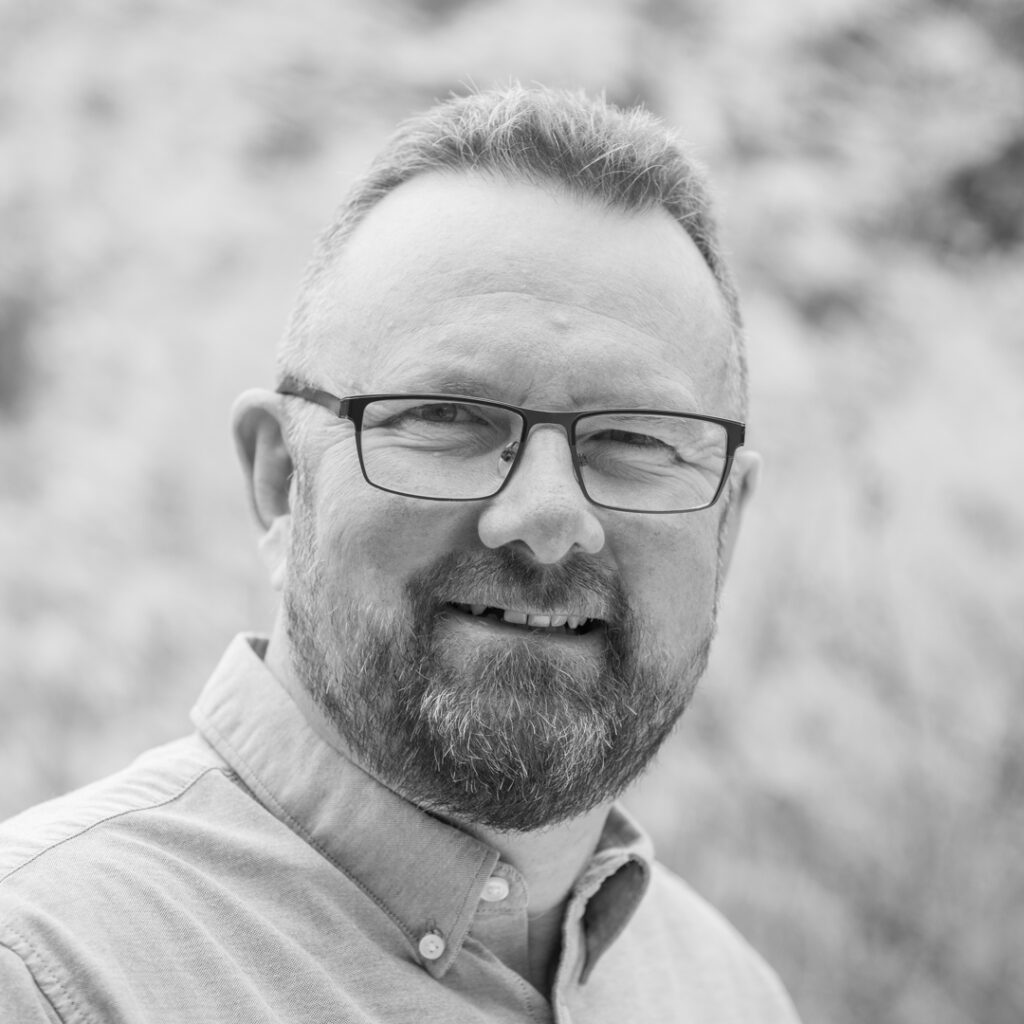
For some men, the fact that I am male matters. For others it makes very little difference.
Some of the men I work with have felt able to be particularly frank with another man about relationships, sex, anger, work, fatherhood, shame or the feeling that they have failed in some way.
There can be relief in saying something you have been editing in your head for weeks, months or even years.
I will be interested in understanding what happened, what you wanted, what you are living with now and what choices are available to you. You can speak plainly with me, including about parts of your life you feel uncomfortable with or less proud of.
What counselling with me is actually like
I take an active part in the conversation.
I listen carefully, ask questions and tell you what I am noticing. I am interested in the story you tell me, but also in what happens while you are telling it.
You might tell me that you are furious with somebody and then immediately spend the next few minutes explaining why their behaviour was understandable. I might ask what happened to your anger as soon as you began talking about it.
Or you might disagree with something I say and then quickly soften your position. I may wonder with you whether that feels familiar outside the counselling room as well.

At other times you might go blank, laugh something off or suddenly find yourself wanting to move away from a subject. Those moments give us useful information. We can slow them down and become curious about what happened.
This is one of the things I value about counselling. We are not only looking back at situations after they have happened. Some of the patterns that cause problems elsewhere can begin to appear between us, where we have the opportunity to notice and understand them differently.
Some people find that once conflict starts their mind goes blank and the words they wanted disappear. I explore this further in Why do I shut down during conflict?
Others can keep talking but begin to lose confidence in their own position as soon as somebody reacts badly. I have written more about this in Why do I doubt myself when someone disagrees with me?
Counselling gives us time to understand what happens at these points and gradually develop more choice in how you respond.
Why my background may matter
Before becoming a counsellor, I spent about 35 years working in business and finance, including senior leadership roles.
I know something of what it is like to carry responsibility, have people looking to you for answers and have a significant part of your identity tied up with work. For some of the men who choose to work with me, that background matters because they feel I will understand something of the world they are coming from.
I have now completed more than 800 supervised counselling hours across private practice, hospice bereavement counselling and community work. This has brought me into contact with people facing very different circumstances, including relationship difficulties, grief, anxiety, anger, work pressures and major changes in their lives.
I originally trained in person-centred counselling and continue advanced postgraduate training in Gestalt psychotherapy. Gestalt has increasingly influenced the way I work because I am interested in what happens as we talk, as well as understanding what has happened in the past.
How you respond to a difficult subject, what becomes harder to say, where you pull back and what happens between us can all become part of understanding what is going on.
Counselling for men in Shenfield, near Brentwood
I offer face-to-face counselling from my private counselling room in Shenfield, near Brentwood, Essex. I also offer online counselling where appropriate.
You can come with one particular issue or because several parts of life have become tangled together. We can work out what would be useful as we go.
50-minute sessions
Usually weekly
£70 per session
Online counselling available